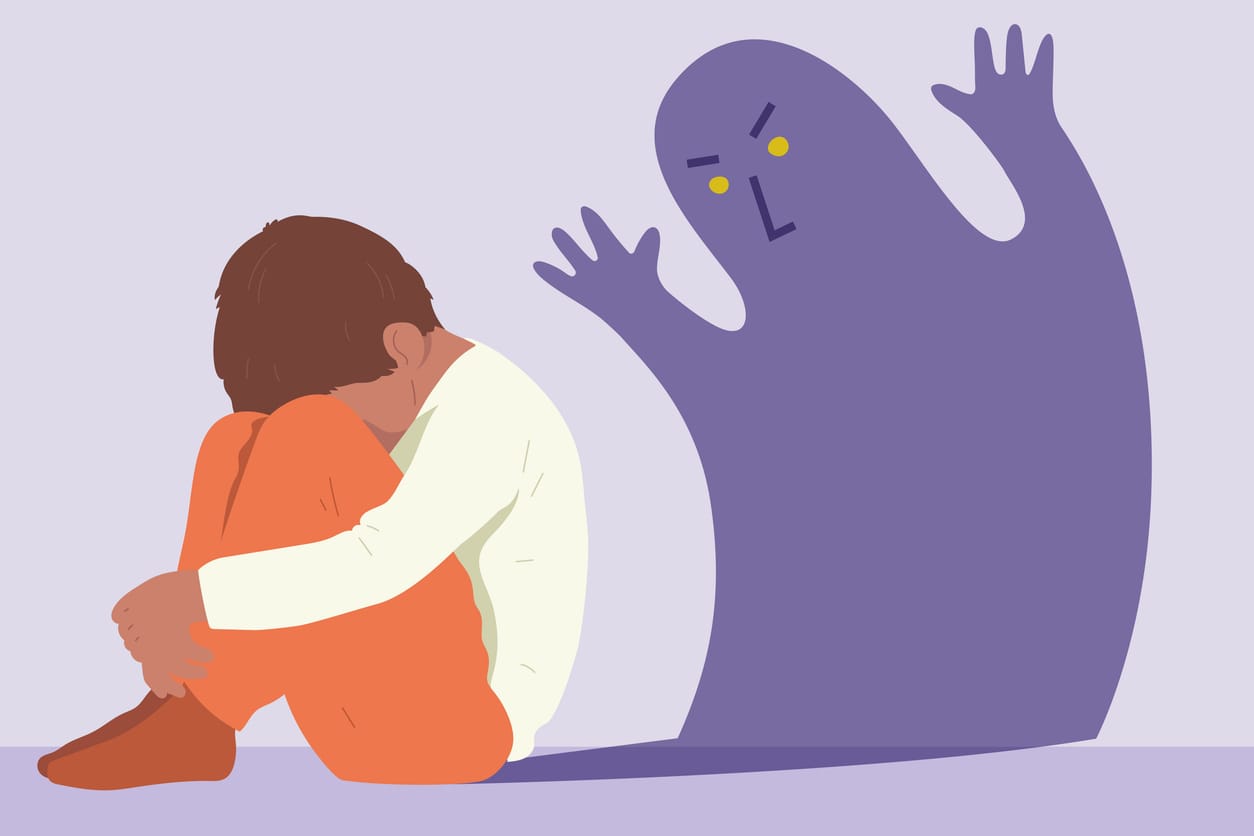
One of my favorite sayings is, “life is lived looking forward but understood only by looking back.” To discover who we are today, we must pause and examine how we were shaped and by whom. That requires an honest look at the circumstances that influenced us, both positive and negative. However, this kind of reflection is difficult because confronting our past, especially our childhood, can awaken memories that feel too painful or distressing to face.
Yet this is the only way to understand how we arrived at who we are today and begin the process of genuine healing. The obvious place to start is our relationship with our primary caregivers, most likely our parents. For many, this relationship was not entirely healthy or life-giving.
For those who have been deeply wounded by the very people entrusted with their care, I will say this: No parent is perfect, and each carried the imprint of their own upbringing. We need to realize that what we inherited through no fault of our own can carry lasting and sometimes painful consequences. But they don’t have to define us forever.
The Gifts and Wounds We Inherit
All of us have completed a family health history form at a new physician’s office, disclosing predispositions to conditions such as cancer, diabetes, depression, or heart disease. We share this information so our providers can offer appropriate guidance and care. We understand that we are not personally responsible for the illnesses we may inherit through our genetic makeup. Call it a defect of nature.
In much the same way, the shortcomings and mistakes of our parents often stem from circumstances beyond their control. Unfortunately, many were shaped by households marked by alcoholism, addiction, or physical and emotional abuse. Sadly, the behavioral consequences often carry forward into the next generation. Just as we acknowledge inherited vulnerabilities in our physical health, we must also recognize the emotional and psychological predispositions that were passed on to us. Call it a defect of nurture.
If you are brave enough to explore your childhood and confront the events that first wounded you, this is a critical forward step in understanding how you arrived at the present. A trained therapist can help guide you through this process, but some recollections require no professional insight. If you were abused or neglected, the pain of rejection, abandonment or cruelty is still raw. The physical wounds may have healed, but the emotional scars have yet to do so.
We struggle to compensate for what we did not receive, or we are plagued by the suffering that was inflicted upon us. As I mentioned in my last blog (The Emotional Costs of Holding on Too Long, posted on January 14, 2026), what we did not receive in our childhood we spend the rest of our adulthood trying to find and acquire. Shaped by the good and the not-so-good events of our past, we are faced with the unenviable task of accepting that we have been wounded by circumstances that left their marks on us. But, until we are willing to address these painful events, we will never be able to forgive or gain the freedom to heal.
If you’ve experienced rejection, neglect or abuse in childhood, you may be haunted by the lingering pain in adulthood. In the end, a pattern of craving constant reassurance could show up, manifesting as clinginess or an urge to over-invest in those you feel drawn to. This places heavy pressure on the other person pushing them away instead of attracting them to you.
Another reaction could be that you avoid a relationship altogether, fearing the reappearance of desertion or detachment. You might steer clear of someone that threatens the walls of your over-protected self. Trusting another is extremely difficult if you who have suffered from such disaffection.
For some, deep physical or emotional trauma leaves wounds that later express themselves in harmful ways toward others. Pain that was never acknowledged or healed can resurface in relationships, causing individuals to repeat behaviors they themselves once endured. When childhood instability goes unaddressed, patterns of cruelty, mistreatment, or even violence can tragically be passed on.
From Blame to Responsibility and the Freedom it Brings
Be assured that you can find healing in an honest self-examination. And this can lead you to an even greater step forward: forgiving those you believe contributed to your wounds and shortcomings. While the impulse to place blame is understandable, there comes a moment when you must take responsibility for your own actions and the direction of your life. Remaining in victimhood will never bring you the peace, happiness, or fulfillment you seek.
Freeing yourself from the suffering that was inflicted on you can be the most challenging task you will ever face. But if you hold onto the anger and resentment, you only prolong your anguish, and the wounds will remain fresh and painful. Only forgiveness can endow you with the authority to say, “I am no longer the child or the victim. I have learned from my past and am the overseer of my life. I will allow myself to be better than what happened to me. My past will serve as the lessons I need to be the best version of myself, with no excuses. I am the captain of my soul.”
When you find the courage to accept and recognize the wounds you carry, you will transform your relationships. They become more honest, more compassionate, and more human. What once felt like a liability reveals itself as a privilege. Your wounds give you the capacity to recognize the pain in others and you begin to heal. From this place you gain the gift of becoming a wounded healer with the ability to support others not with judgment, but with understanding.
Let your wounds be your life’s most valuable lessons; the choice is yours.
5 Steps to Positive Self-Examination
Step 1: Start with Prayer
The Courage to Look Back
Lord, give me the courage to look honestly at my past, not with fear or blame, but with self-compassion.
Help me face the moments where love was absent, where I felt unseen, unheard, or unprotected. Remind me that what I endured does not define my worth, and that remembering is not a step backward, but a move toward healing.
Walk with me as I revisit what shaped me. Soften what has hardened me, and bring light to the places I have avoided. Give me the strength to look at my story with honesty, and the faith that healing is still possible.
Amen
Step 2: Create a safe space inside you: Before looking back, ground yourself in the present.
Step 3: Notice what still triggers you: Pay attention to situations that cause strong reactions, i.e. withdrawal, anger, fear, or the need to please.
Step 4: Ask yourself what was missing: What do you need that you didn’t receive? Love, reassurance, protection, affirmation?
Step 5: Separate responsibility from impact: You were not responsible for what you lacked, but you can take responsibility for how it affects you now.